


-

Add: HeBei ShengShi HongBang Cellulose Technology CO.,LTD.
-

Email
13180486930@163.com -

CONTACT US
+86 13180486930
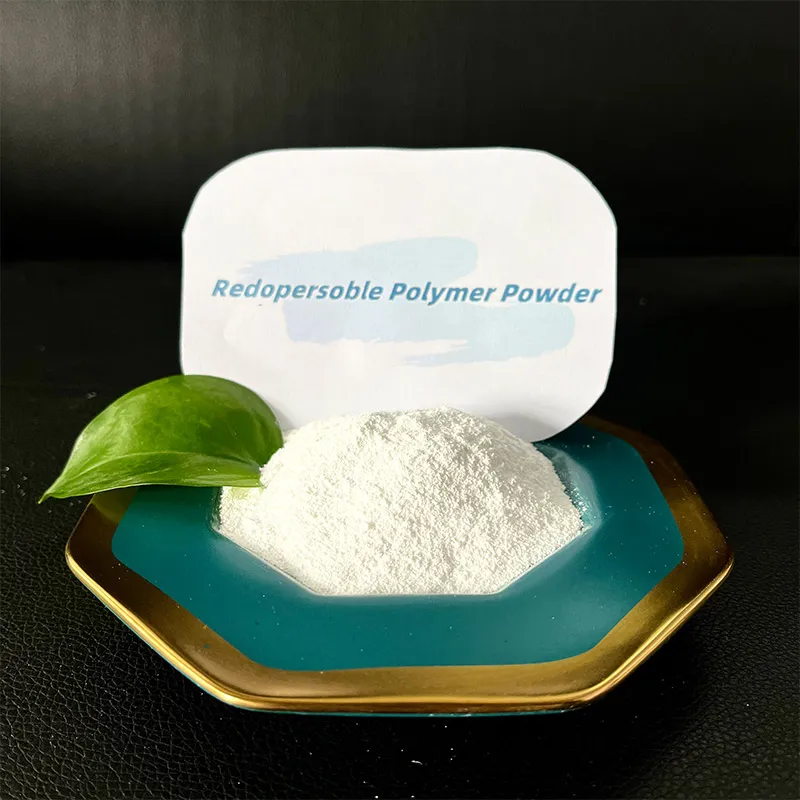
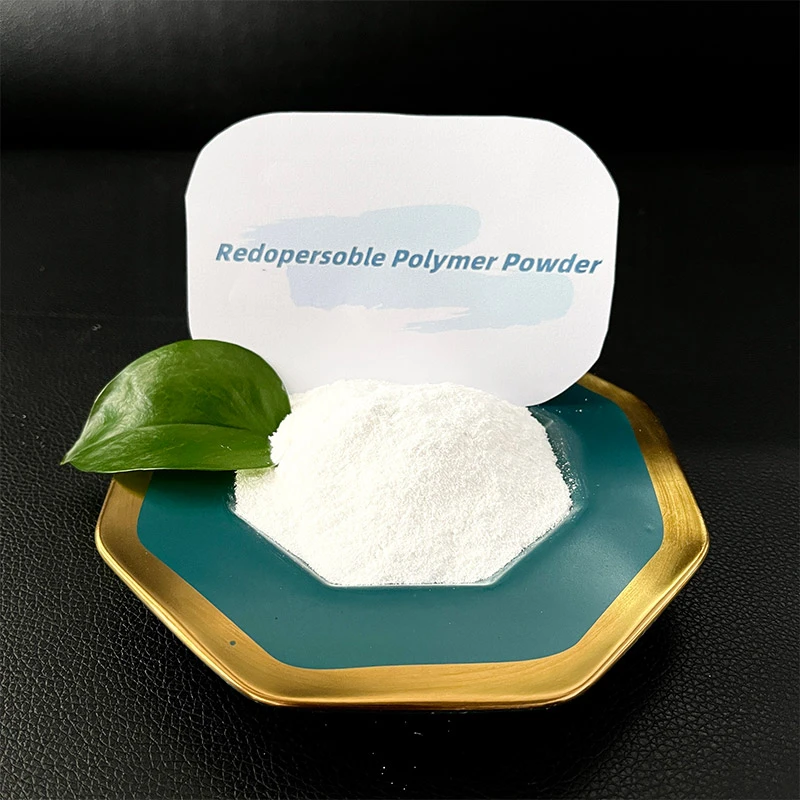
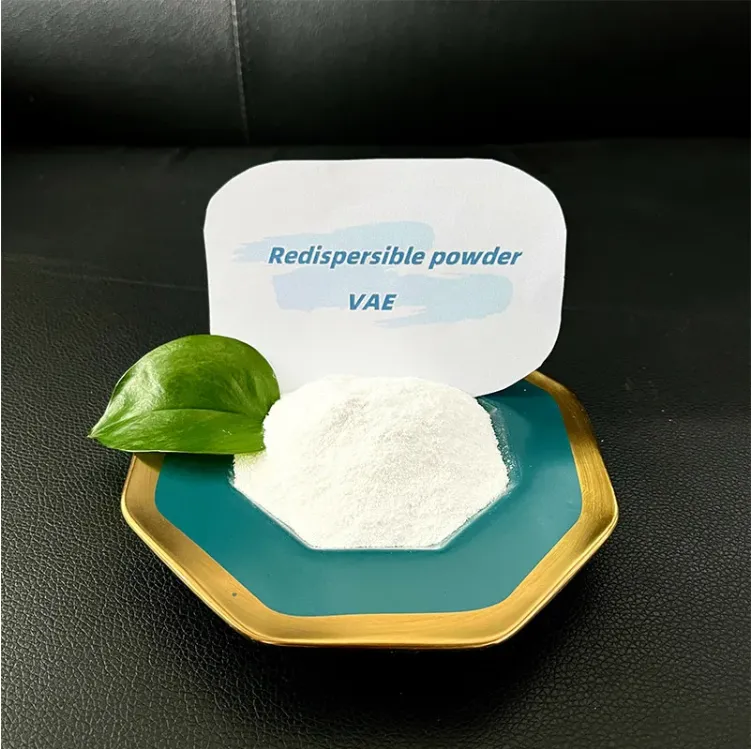
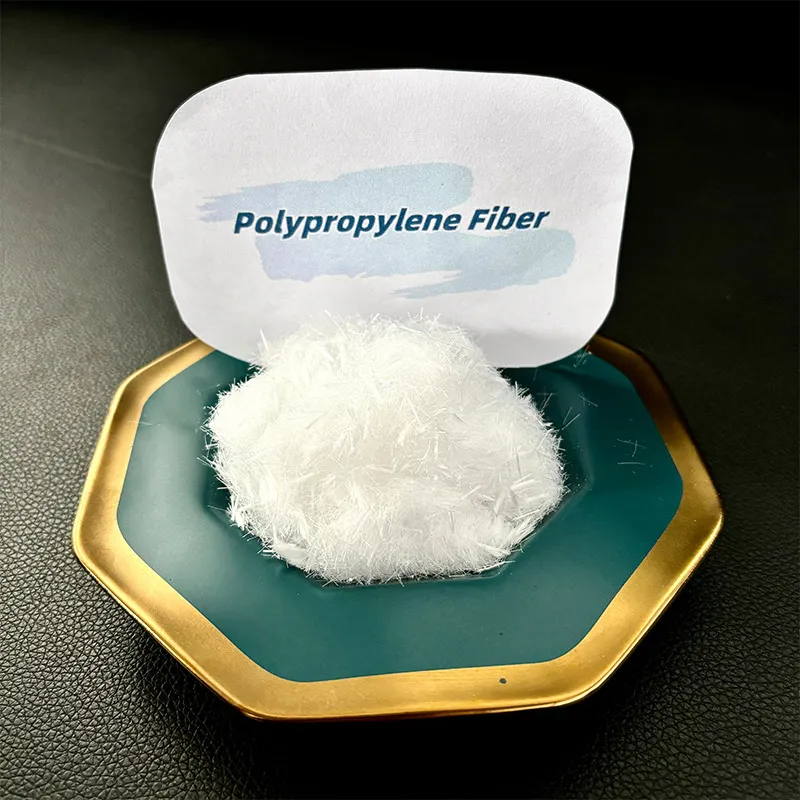


In the world of modern construction, synthetic fibers have revolutionized the way materials are used, enhancing the strength, flexibility, and durability of various building components. The different types of synthetic fibers available today are engineered for specific uses, making them indispensable in many construction projects. These fibers are often used to reinforce concrete, improve the resilience of building structures, and provide additional benefits like increased fire resistance and weather protection. From polypropylene fibers to long glass fibers , synthetic fibers offer a range of options tailored to different needs. Whether it’s increasing the strength of cement or providing insulation properties, the different types of synthetic fibers ensure that construction projects meet high standards of quality and longevity. In addition to their superior performance, synthetic fibers are often more cost-effective and readily available than traditional materials. This makes them a preferred choice for construction companies aiming to reduce costs while maintaining high-quality results. Furthermore, the environmental impact of synthetic fibers is increasingly being addressed with sustainable production methods, making them a more eco-friendly option for the construction industry. Long Glass Fiber Polypropylene: A Key Ingredient for Stronger Materials One of the standout synthetic fibers in the construction industry is long glass fiber polypropylene . This innovative fiber combines the strength of glass with the lightweight, corrosion-resistant properties of polypropylene. As a result, long glass fiber polypropylene is often used to reinforce concrete and other building materials, providing a significant boost in durability and performance. The inclusion of long glass fiber polypropylene in construction materials helps reduce cracking and improve the structural integrity of buildings and roads. The long fibers create a matrix that distributes stresses evenly across the material, preventing localized damage. This fiber is particularly useful in high-strength concrete applications where additional reinforcement is needed. Moreover, long glass fiber polypropylene is highly resistant to environmental factors like moisture, UV radiation, and temperature changes, making it ideal for both indoor and outdoor construction projects. It is commonly used in applications like paving, drainage systems, and even in the production of prefabricated building components. Its versatility and effectiveness in improving the lifespan and reliability of building materials make it a go-to solution for modern construction needs. Fibre Natural and Synthetic: A Comparison of Strength and Sustainability When choosing materials for construction, understanding the difference between fibre natural and synthetic options is crucial. While natural fibers such as jute, hemp, and cotton have been traditionally used in construction, synthetic fibers like polypropylene, polyester, and nylon have emerged as more durable and cost-effective alternatives. Fibre natural and synthetic materials each have their own advantages, making them suitable for different types of applications. Natural fibers are renewable, biodegradable, and often produced using more sustainable methods, making them a more eco-friendly option. However, they may not offer the same level of strength or resistance to environmental factors as synthetic fibers. On the other hand, synthetic fibers are engineered for durability, offering superior resistance to moisture, heat, and wear. They are often used to enhance the properties of natural materials, making them more suitable for demanding construction environments. For example, natural fibers like hemp may be used in insulation or as a reinforcement material in low-stress applications, while synthetic fibers like polypropylene or polyester are used for high-strength reinforcement in concrete, roofing, and other critical structures. By combining the best of both fibre natural and synthetic materials, construction companies can achieve optimal performance and sustainability. Non-Woven Polypropylene Fiber: A Revolutionary Material in Construction Non woven polypropylene fiber is another essential material that is increasingly being used in the construction industry. Unlike traditional woven fabrics, non woven polypropylene fiber is made from a process that bonds fibers together without weaving or knitting, resulting in a highly versatile material with excellent durability and moisture resistance. This fiber is widely used in applications like drainage systems, geotextiles, and road construction. Non woven polypropylene fiber provides a lightweight yet strong solution for reinforcing construction materials. It is often used in soil stabilization, as it helps prevent erosion and improves the strength of the ground underneath roads, bridges, and buildings. The material's ability to resist moisture also makes it ideal for protecting against corrosion and extending the lifespan of infrastructure. Additionally, non woven polypropylene fiber is environmentally friendly, as it is made from recyclable polypropylene, a material that can be repurposed for various other uses. Its cost-effectiveness, combined with its high-performance qualities, makes it a popular choice for contractors seeking durable and sustainable solutions for their construction projects. S ynthetic F ibers FAQs What are the different types of synthetic fibers used in construction? Synthetic fibers used in construction include polypropylene, polyester, nylon, and glass fibers. Each type is engineered for specific applications, such as reinforcing concrete, improving durability, and providing insulation. What is long glass fiber polypropylene, and why is it important in construction? Long glass fiber polypropylene is a fiber that combines the strength of glass with the lightweight, corrosion-resistant properties of polypropylene. It is essential in construction for reinforcing concrete, improving structural integrity, and preventing cracking. What are the benefits of using natural fibers in construction? Natural fibers , like hemp or jute, offer benefits such as renewability, biodegradability, and sustainability. They are commonly used for insulation and low-stress reinforcement, but may not be as durable or resistant to environmental factors as synthetic fibers. How does non-woven polypropylene fiber differ from woven fabrics? Unlike woven fabrics, non-woven polypropylene fiber is made through a bonding process that does not involve weaving or knitting. This results in a highly durable and moisture-resistant material, commonly used in geotextiles, drainage systems, and soil stabilization. Are synthetic fibers environmentally friendly? While synthetic fibers are often made from petroleum-based products, many are now produced using more sustainable methods. Additionally, materials like non woven polypropylene fiber are recyclable, making them a more environmentally friendly choice in construction. As construction needs evolve, synthetic fibers like long glass fiber polypropylene and non woven polypropylene fiber continue to play a crucial role in enhancing the strength, durability, and sustainability of building materials. If you're in the construction business, investing in these cutting-edge fibers will improve the performance of your projects and contribute to more eco-friendly practices. Visit our website today to explore our wide range of high-quality synthetic fibers and learn how they can transform your construction projects!
- 40000tons

Production
- 20+years

Experience
- 5000+㎡

Acreage

-
Hydroxypropyl distarch phosphate (HDP) is an essential modified starch used across a variety of industries , from food production to pharmaceuticals. Its unique properties make it a preferable choice for manufacturers looking to improve the texture, stability, and shelf-life of their products. This article delves into the multifaceted benefits and applications of HDP, drawing on the expertise of industry professionals and real-world experiences to provide a comprehensive understanding. At its core, hydroxypropyl distarch phosphate is a chemically modified starch made by introducing hydroxypropyl groups into the starch molecule. This modification grants the starch increased stability against heat, acid, and shear, making it invaluable especially in processes involving high temperatures or high shear mixing. For food scientists and manufacturers aiming to enhance the quality of processed foods, HDP offers several advantages. It significantly improves the texture and mouthfeel of culinary products. In sauces and gravies, for example, HDP functions as a thickening agent that withstands the rapid heating and cooling cycles often encountered during production or usage. The stability provided by HDP ensures that products retain their desirable consistency over time, thereby extending shelf life and maintaining consumer satisfaction. Moreover, HDP's compatibility with other ingredients is a significant boon for food formulation. It allows for seamless integration into a wide array of recipes, providing uniformity and consistency without compromising flavor or aroma. From baked goods that require moisture retention to dairy products needing a specific creamy texture, the versatility of HDP is crucial. The expertise in producing hydroxypropyl distarch phosphate extends beyond its functional benefits. Producers must adhere to stringent safety and quality standards to ensure that the modified starch is safe for consumption. Regulatory bodies such as the FDA and EFSA approve the use of HDP within specific limits, attesting to its safety when used accordingly. Expert manufacturers implement rigorous quality control processes, analyzing each batch to affirm compliance with these standards, thereby instilling trust in their product. hydroxypropyl distarch phosphate When addressing the pharmaceutical industry, HDP is especially important. It serves as a disintegrant in tablet formulations, aiding in the efficient release of active ingredients once ingested. This functionality is vital for the efficacy of many medications, where precise control over disintegration time affects overall therapeutic effectiveness. Real-world experiences emphasize the transformative power of HDP in product development. Experienced R&D teams often recount how the introduction of this starch into their formulations allowed them to overcome significant challenges, such as achieving the desired viscosity in low-temperature processing or stabilizing emulsions where traditional starches failed. Establishing trustworthiness in HDP's use involves comprehensive documentation and transparency about the sourcing, processing, and application methodologies. Industry leaders in starch modification frequently engage in partnerships with academic institutions and research organizations to remain at the forefront of innovation and application. In practice, using HDP requires understanding its interaction with other components in formulations. Experts recommend starting with small experimental batches to fine-tune the quantity needed for desired outcomes. Experience has shown that while HDP is robust, achieving perfect results may require some tailoring based on the specific matrix in which it is used. In conclusion, hydroxypropyl distarch phosphate is much more than just a modified starch; it's a cornerstone additive that underpins the efficiency and quality of numerous products across diverse industries. Its verified safety, coupled with substantial expert backing, renders it a trustworthy component in the relentless pursuit of product excellence. By leveraging both the experience and profound expertise surrounding HDP, manufacturers can significantly enhance the quality, safety, and appeal of their offerings, ensuring consumer satisfaction and fostering long-term success.
-
Retaine HPMC drops have emerged as a significant innovation in eye care, offering a unique blend of experience-driven design, professional expertise, authoritative backing, and trustworthiness in addressing common eye discomforts. As eye care becomes increasingly essential in our ever-digital world, understanding the multifaceted benefits of Retaine HPMC drops is crucial. Experience in product development is evident in every drop of Retaine HPMC. Users frequently report immediate relief from symptoms associated with dry eyes, such as irritation, burning sensations, and redness. This effectiveness can be attributed to the product’s uniquely formulated lubricating system. Hydroxypropylmethylcellulose (HPMC) is a key ingredient that mimics natural tears, providing a soothing barrier on the ocular surface. Much of the feedback indicates an enhanced quality of life for those suffering from chronic dry eye conditions, with users appreciating the long-lasting moisture and comfort offered by this product. The expertise behind Retaine HPMC drops cannot be overstated. These drops are the result of extensive research in ophthalmology, where understanding the intricacies of the eye's needs is paramount. Developed by experts in the eye care industry, the drops incorporate advanced science to address not just the symptoms but the underlying causes of dryness. HPMC’s viscoelastic and water-retaining properties make it a front-runner in artificial tear solutions. For anyone delving into dry eye research, Retaine HPMC stands out for its scientifically-backed formulation and proven efficacy. Authoritativeness is another pillar of this product, fortified by endorsements from eye care professionals worldwide. Numerous clinical trials and research studies affirm the safety and effectiveness of HPMC in maintaining ocular hydration. Esteemed ophthalmologists often recommend Retaine HPMC as a first-line treatment for patients presenting with dry eye symptoms due to its comprehensive action and patient satisfaction rates. Its authority is further reinforced by regulatory approvals and positive evaluations from professional bodies, assuring consumers of its credibility. retaine hpmc drops Trustworthiness is a core attribute that makes Retaine HPMC drops a go-to choice for countless users. Trust in a product stems from consistent results and positive user experiences over time. Retaine HPMC delivers exactly that . Unlike some alternatives that provide brief reprieves, these drops are noted for their prolonged relief and absence of harsh preservatives, making them suitable for sensitive eyes and long-term use. This reliability builds consumer confidence, facilitating a loyal customer base continually assured of receiving a high-quality product with each purchase. Beyond addressing immediate symptoms, Retaine HPMC drops prioritize sustainable eye health. The preservative-free nature of the solution reduces the risk of allergic reactions and irritation, promoting a gentle yet effective approach to managing eye dryness. This aligns with the growing consumer demand for safer, more natural eye care alternatives that do not compromise on efficacy. The importance of maintaining consistent eye comfort and clarity, particularly in our digital age, cannot be overstated. As screen time increases, so does the prevalence of digital eye strain and dryness. Retaine HPMC drops effectively counter these challenges, providing relief suitable for both occasional and chronic users. Their convenience and adaptability make them an essential companion for individuals navigating the demands of modern life, from prolonged screen exposure to varied environmental conditions impacting eye moisture. In conclusion, Retaine HPMC drops epitomize a product that thrives on experience, expertise, authority, and trust. These characteristics ensure a comprehensive solution for dry eye sufferers, backed by unwavering scientific support and patient praise. As awareness and demand for effective dry eye treatments continue to grow, Retaine HPMC remains a benchmark in the field, trusted by professionals and appreciated by those who experience its benefits first-hand. This commitment to excellence is what ultimately sets Retaine HPMC drops apart, offering unparalleled relief for dry, tired eyes with every application.
advantages
-

200000 Viscosities
Excellent product
We can produce pure products up to 200,000 viscosities
-

40000 tons
High yield
We don’t stop production all year round, and the annual output can reach 40,000 tons
-

24 hours
Quality service
We provide 24-hours online reception service, welcome to consult at any time
———— Inquiry Form
Schedule A services
- polyvinyl_chloride_powder
Oct . 25, 2025
Understanding HPMC and Its Melting Point Characteristics Hydroxypropyl Methylcellulose (HPMC) is a v -
 fibre_de_polypropylene_a_vendre
Oct . 25, 2025
The Versatile Uses of Hydroxypropyl Methylcellulose Hydroxypropyl methylcellulose (HPMC) is a synthe -
 perekat_ubin_hpmc
Oct . 25, 2025
Hydroxypropyl methyl cellulose (HPMC) significantly influences the properties of cement mortar, part


